
Always and Secret Launch ‘The Refresh Space’ at Coachella for Women
Always and Secret partner with Coachella to introduce 'The Refresh Space,' a reimagined restroom experience addressing period leaks, hygiene, and sweating for festival-going women.

Always and Secret partner with Coachella to introduce 'The Refresh Space,' a reimagined restroom experience addressing period leaks, hygiene, and sweating for festival-going women.

Haley Wall explains conventional push-up form, emphasizing modifications like wall or knee push-ups to build strength and ensure correct joint alignment, as seen in a TikTok trend. She notes individual skeletal differences and the historical bias of strength standards based on male bodies.

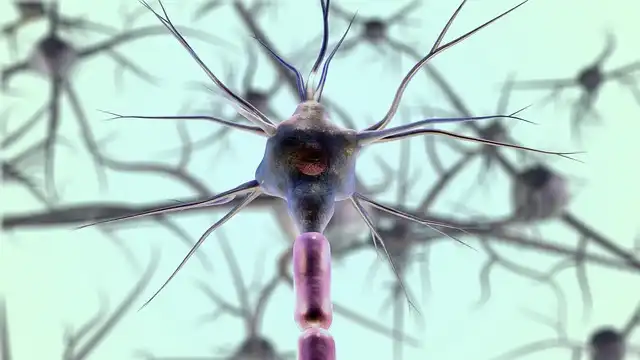
Cornell researchers developed an ultra-miniature neural implant, smaller than a grain of salt, that wirelessly tracks brain activity for over a year. Laser-powered, it offers non-invasive study and future medical uses like MRI compatibility, advancing brain surveillance.

Research identifies a delayed spike in depression and stress for fathers a year after childbirth, emphasizing the need for long-term mental health support and monitoring beyond the initial postnatal period.

Healthgrades announces its 2026 Patient Safety Quality Awards, honoring 438 hospitals nationwide for reducing medical complications and prioritizing patient-first evidence-based care.

Mehmet Oz led CMS efforts to withhold over $2 billion in Minnesota Medicaid funds, alleging widespread fraud in public benefit programs. Critics deem this a 'nuclear option,' warning it harms disabled individuals and disrupts home care, despite state investigations finding no broad fraud.

KFF Health News, a nonprofit newsroom, reports on health policy, covering Title X funding binds, federal vaccine guidance challenges, ACA affordability post-credits, healthcare job impacts, NIH grant delays, and crediting guidelines.

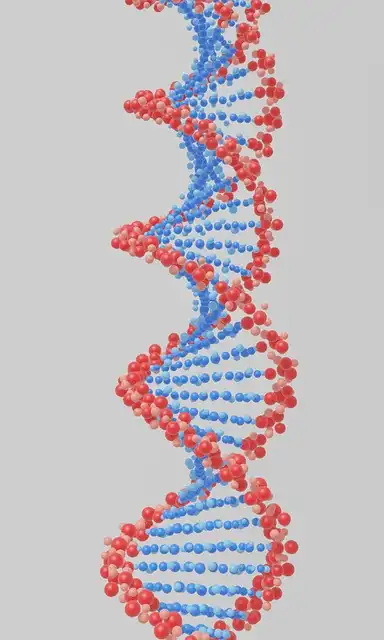
Researchers identify TDP43 as a key regulator of DNA repair. Its imbalance affects ALS and FTD progression while influencing mutation rates in cancer cells, marking a breakthrough in neurodegeneration and oncology.

The CLIMACS study reveals that the Melonga App helps men manage premature ejaculation using mindfulness and CBT, doubling performance time and enhancing overall sexuality-related quality of life.

New research suggests depression may stem from mitochondrial energy issues in brain and blood cells, affecting how the body manages high energy demands and potentially leading to more targeted medical treatments.

OHSU researchers developed SU212, a new molecule disabling the ENO1 enzyme. It significantly reduces triple-negative breast cancer growth and spread in mouse models, offering a promising therapy for this aggressive cancer and potentially other cancer types.

Researchers identified ANKIB1 and K11-ubiquitin as crucial regulators of innate immune signaling and interferon production. This discovery offers therapeutic potential for diverse diseases, including cancer, neurodegenerative conditions, and inflammatory disorders.

A federal rural health improvement program faces significant state-level pushback from Republicans and medical facilities who feel disregarded over flawed definitions and fund distribution, risking states losing allocated funds if approved plans are altered, despite Congressional intent.

A new blood test measuring p-tau217 protein can roughly predict Alzheimer's symptom onset, rising consistently before memory loss. Promising for early treatment, current models have limitations regarding range and participant diversity. Future research aims to improve accuracy.

Virginia Tech research reveals how the AMPK enzyme regulates muscle energy, mitochondrial activity, and exercise performance. Its impaired function may link to diabetes, offering a new treatment target through drug therapies.

Stanford researchers developed a universal nasal spray that supercharges lung immunity for months, providing broad-spectrum protection against viruses, bacteria, and allergens in successful mouse studies.

UCR scientists developed an innovative oxygen-supplying gel to treat chronic wounds, especially diabetic ulcers. By delivering continuous oxygen to deep tissues, it combats hypoxia, reduces inflammation, and significantly lowers amputation risk, promoting faster healing.