
Statins Block Cancer’s Immunosuppressive PD-L1 Pathway
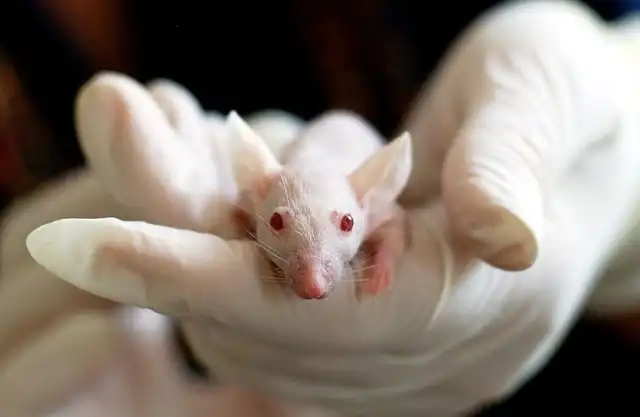
Cancer cells package immunosuppressive PD-L1 into sEVs via UBL3, hindering immunotherapy. Researchers found widely used statins can block this process, offering a new strategy to enhance immune checkpoint therapies by reducing circulating immunosuppressive PD-L1.
Further bioinformatic analysis revealed that the combined expression of UBL3 and PD-L1 was related to survival outcomes in lung cancer cells people. This finding highlights the prospective professional value of this freshly determined regulatory pathway.
Overcoming Cancer Immunotherapy Resistance
This challenge has actually pushed researchers to look beyond the lump itself and analyze wider devices of immune resistance. Scientists are increasingly concentrated on how cancers cells subdue immune activity throughout the body, not simply at the growth website. One arising location of rate of interest involves little extracellular blisters (sEVs), small particles released by cancer cells that can lug immunosuppressive molecules and compromise the immune reaction in ways that are still not completely understood.
They found that PD-L1 undertakes a formerly unknown post-translational alteration involving UBL3. This adjustment occurs through a disulfide bond and varies from the classic process of ubiquitination. Further experiments showed that a particular amino acid, cysteine 272 in the cytoplasmic region of PD-L1, is crucial for this alteration.
Oct. 30, 2024– Researchers have scientists have actually uncovered that means cancer tumors cancer cells lumps environment to resist immunotherapy withstand identified a determined target medicine could overcome can get over. The research utilized a …
As the researchers keep in mind, “In the lengthy term, this study might lead to a lot more easily accessible and effective cancer immunotherapies. It could assist more clients advantage from immune checkpoint therapies, enhancing survival and high quality of life in real-world setups.”
To better understand this procedure, a research study group from Fujita Health and wellness University in Japan, led by Professor Kunihiro Tsuchida, worked with collaborators from Tokyo Medical Teaching Hospital and Tokyo Medical University. Their goal was to reveal just how PD-L1, a vital immune checkpoint healthy protein, is precisely loaded into sEVs and to identify whether this pathway could be targeted therapeutically.
These results happened at really reduced medication concentrations that are achievable in people and were not linked to harmful results on cells. Notably, blood examples from individuals with non-small cell lung cancer cells revealed a similar pattern. Among individuals with high tumor PD-L1 expression, those taking statins had substantially lower degrees of PD-L1-containing sEVs in their blood compared with clients not making use of statins.
Apr. 2, 2025– Imagine a visualize immune cell that can launch a focused attack concentrated stubborn solid tumorsStrong lumps smart fighter that destroys cancer cells for days without tiring. Biomedical engineers have made …
Taken together, these outcomes assist explain why immune checkpoint inhibitors typically fall short and direct to a useful means to enhance their efficiency. The research uncovers a covert mechanism whereby cancer cells spread out immunosuppressive PD-L1 with extracellular blisters, permitting tumors to damage immune actions much beyond their prompt environment.
Uncovering the PD-L1 Packaging Mechanism
Making use of a variety of strategies, including molecular and cell biology, biochemical and medicinal tests, patient-derived examples, and bioinformatics, the researchers identified ubiquitin-like 3 (UBL3) as an essential element controlling exactly how PD-L1 is directed into sEVs.
Cancer cells immunotherapy has been a game-changer, but lots of growths still locate means to slip past the immune system. New research reveals a covert technique: cancer cells can package the immune-blocking protein PD-L1 right into little bits that distribute via the body and weaken immunotherapy’s impact. Researchers in Japan found that a little-known healthy protein, UBL3, controls this process– and remarkably, typical cholesterol-lowering drugs called statins can close it down.
Researchers located that particular statins can latch onto a vital muscle healthy protein and …
When UBL3 levels were boosted in cancer cells, the amount of PD-L1 packaged right into sEVs increased sharply, although total PD-L1 inside the cells continued to be the same. In contrast, reducing UBL3 degrees brought about a clear decrease in PD-L1 being filled right into vesicles and released outside the cell. Together, these results validated that UBL3 plays a central duty in guiding PD-L1 right into sEVs.
Statins as a Novel Therapeutic Target
Among one of the most striking findings came when the team checked out medicines that may hinder this process. They discovered that statins, which are widely recommended to lower cholesterol, strongly obstruct UBL3 modification. All clinically used statins evaluated in the research decreased UBL3 activity, decreased PD-L1 alteration, and dramatically decreased the quantity of PD-L1 arranged right into sEVs.
The research, released in Scientific News, was constructed around a central unanswered inquiry. “Cancer cells release tiny extracellular blisters having PD-L1, which are believed to decrease the effectiveness of cancer immunotherapy. How PD-L1 is sorted into these vesicles has remained unclear.” Addressing this enigma ended up being the foundation of the research study.
Cancer immunotherapy has reshaped cancer cells therapy by educating the body’s immune system to acknowledge and attack lumps. Medicines understood as immune checkpoint preventions, which target the PD-1/ PD-L1 path, have actually led to resilient feedbacks in some individuals and fueled optimism concerning durable cancer cells control.
In summary, the study reveals that UBL3-driven alteration advertises the packaging of PD-L1 right into sEVs which statins can interrupt this procedure, decreasing levels of distributing immunosuppressive PD-L1. By recognizing vesicle-associated PD-L1 trafficking as a flexible motorist of immune retreat, the study opens an encouraging new course for tackling resistance to cancer cells immunotherapy. Including statins to mix treatment strategies can use a simple, scalable way to enhance results for clients obtaining immune checkpoint preventions.
June 21, 2023– Cancer immunotherapy cancer cells revolutionized has actually of therapy forms of kinds by unleashing the releasing system response against feedbackVersus
June 21, 2023– Cancer immunotherapy has revolutionized treatment transformed therapy forms lots of kinds by cancer cells the immune system response against action.
Cancer immunotherapy has actually reshaped cancer therapy by training the body’s immune system to identify and strike tumors. “Cancer cells release tiny extracellular blisters including PD-L1, which are believed to decrease the efficiency of cancer cells immunotherapy. When UBL3 levels were increased in cancer cells, the amount of PD-L1 packaged into sEVs climbed sharply, even though total PD-L1 inside the cells stayed unmodified. By determining vesicle-associated PD-L1 trafficking as a flexible chauffeur of immune getaway, the study opens up a promising new path for dealing with resistance to cancer immunotherapy. The study made use of a …
1 cancer immunotherapy2 Extracellular vesicles (sEVs)
3 Immune resistance
4 PD-L1
5 Statins
6 UBL3 protein
« Low-Dose THC & Anti-Inflammatory: New Hope for Alzheimer’s MemoryAdvanced Hair Restoration: Exosomes, Stem Cells, and Global Trends »