
Leopard Gecko: A New Model for Cancer Research
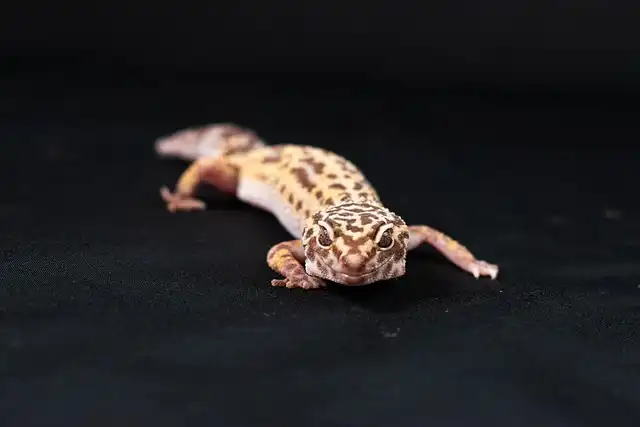
A specific leopard gecko variety, the 'lemon frost' morph, naturally develops aggressive tumors sharing genetic similarities with human cancers. This offers a valuable new model for studying cancer development and treatment resistance.
The Lemon Frost Gecko: A Naturally Occurring Cancer Model
…
The findings likewise underscore the value of broadening the variety of pet models utilized in clinical research. Species that naturally establish cancer at high prices, such as the lemon frost gecko, may match typical lab models and provide brand-new means to investigate the disease.
The study, led by the University of Nottingham and published in BMC Biology, identified genetic modifications connected to lumps in a special variety of leopard gecko. Many of those changes entail the very same genetics and organic pathways connected with human cancers cells, increasing the opportunity that this reptile can aid advancement cancer research.
A vibrant family pet gecko that is uncommonly prone to developing cancer cells might come to be an important brand-new tool for researchers researching just how lumps spread out and form. Researchers claim the animal’s naturally happening cancers might offer important insights into why some species are extremely at risk to the disease while others are extremely immune.
By studying both animals that are prone to cancer cells and those that resist it, we have far higher power to understand the disease itself. In a hostile type of pancreatic cancer cells, for instance, drug resistance is associated with the suppression of configured cell fatality, …
Genetic Similarities to Human Cancers
“We typically look internal to resolve human issues, but every varieties has something to educate us. By researching both pets that are vulnerable to cancer cells and those that withstand it, we have much greater power to recognize the illness itself. This is just one of the numerous reasons that securing biodiversity is so essential.”
June 1, 2022– Deep in the forests of Odisha and Andhra Pradesh in India lives Eublepharis pictus, also known additionally the Painted Leopard Gecko– a colourful gecko species that varieties now revealed currently disclosed identityReal …
An uncommon leopard gecko that naturally develops hostile tumors might become a vital new design for cancer research study. Scientists located its lumps share key hereditary changes with human cancers, providing a rare possibility to study the disease as it develops naturally.
Feb. 24, 2022– Drug resistance medication a major obstacle significant the treatment of cancers. In a hostile kind of pancreatic cancer cells, for instance, medicine resistance is connected with the reductions of configured cell fatality, …
Advantages Over Traditional Lab Models
Copyright 1995-2026 ScienceDaily or by other partiesVarious other where indicated.
Dr. Chiari said: “By examining why some animals are so at risk to cancer while others are remarkably immune, we hope to discover the various ways types have evolved to deal with cancer. Specifically, this gecko could become an extraordinary version in cancer cells research since lumps show up naturally at a reasonably very early age. With each other, these all-natural techniques might motivate brand-new methods of protecting against, finding, and dealing with cancer in humans.”
Many of the biological processes and altered genetics have already been connected to cancer cells in human beings and various other pets. According to the researchers, these similarities suggest that examining lemon frost geckos could give understandings that expand well beyond reptile biology.
Unlike laboratory mice, which often need scientists to synthetically set off lump development, lemon frost geckos establish cancer cells naturally and at a relatively young age. Because these lumps frequently spread, the reptiles provide researchers with a rare opportunity to observe exactly how cancer begins, develops, and spreads under natural conditions.
The global study group also included PhD researcher Brandon Hastings (College of Nottingham), Dr. Scott Glaberman (College of Birmingham), Dr. Tony Gamble (Marquette University), Dr. Robert Ossiboff (University of Florida), and Virginia Gazziero and Dr. Giulio Caravagna (College of Trieste).
Broader Implications for Biodiversity and Health
Among reptiles, cancer cells threat differs widely. Turtles and turtles seldom develop the illness, yet a white and yellow leopard gecko known in the pet profession as the “lemon frost” morph develops aggressive lumps in concerning 80% of people.
The lemon frost morph stemmed from a spontaneous hereditary mutation that showed up throughout careful reproduction in a large colony of leopard geckos. Its striking white and yellow coloration quickly stood out in the family pet trade, yet dog breeders soon noticed an unfortunate pattern. Much of these geckos established hostile growths that frequently infect other parts of the body.
Dr. Chiari stated: “By studying why some pets are so at risk to cancer cells while others are remarkably immune, we wish to uncover the different ways types have evolved to manage cancer cells. Particularly, this gecko might become an amazing model in cancer research study because growths appear normally at a reasonably very early age. Together, these all-natural strategies might motivate brand-new ways of preventing, finding, and treating cancer cells in people.”
To much better comprehend the illness, the researchers utilized whole genome sequencing to compare growth samples with healthy and balanced tissue from the very same geckos. They determined a persisting collection of genetic adjustments throughout the growths.
Copyright 1995-2026 ScienceDaily or by other parties, celebrations indicated.
University of Nottingham. (2026, July 15). This pet gecko could help researchers unlock the tricks of cancer cells. ScienceDaily. Recovered July 19, 2026 from www.sciencedaily.com/releases/2026/07/260714225525.htm
Brandon Hastings, among the study’s writers, claimed: “Overall, our paper demonstrates the importance of looking across the tree of life looking for solutions that are needed to better understand conditions that can have an extensive influence on human life, such as cancer cells. Methodologically, it likewise highlights that the range of genomic software programs established to assess human cancers can be adjusted to supply meaningful insights in varied microorganisms.”
1 biodiversity2 cancer research
3 drug resistance
4 genetic mutations
5 leopard gecko
6 tumor development
« Medicaid Work Requirements: Challenges for FarmworkersThe Mysterious Hum: Unraveling Low-Frequency Sounds & Tinnitus Explanations »