

Health For Each Health For Each
  • public health experts
  • Cantor Global Healthcare
  • bone cancer cells
  • Environmental Health
  • Employees Health Benefits
  • immune system
  • brain inflammation
  • 2026 January


    BPA’s Lasting Impact: Prenatal Exposure & Sex-Specific Health Risks

    BPA’s Lasting Impact: Prenatal Exposure & Sex-Specific Health Risks

    Prenatal BPA exposure acts as an endocrine disruptor, causing lasting sex-specific metabolic shifts and immune system changes in rats. Women showed cancer-like states, men metabolic syndrome, raising risks for chronic diseases later in life, despite FDA's current safety claims.


    AI vs. Human Creativity: New Study Compares LLMs & 100,000 People

    AI vs. Human Creativity: New Study Compares LLMs & 100,000 People

    A new study reveals AI systems, like GPT-4, can surpass average human creativity on specific tasks, but top humans still outperform AI, especially in complex creative activities. AI is best positioned as a powerful creative assistant, not a replacement.


    Unlocking Neuroprotection: The Role of Sugar Metabolism and DLK Proteins in Brain Health

    Unlocking Neuroprotection: The Role of Sugar Metabolism and DLK Proteins in Brain Health

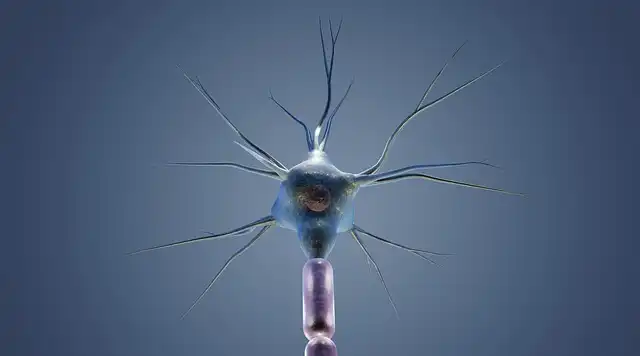
    New research explores how sugar metabolism and proteins like DLK and SARM1 influence neuronal survival, offering potential breakthroughs for treating Parkinson's, brain injuries, and neurodegenerative diseases.


    Aerobic Exercise Can Make Your Brain Look One Year Younger

    Aerobic Exercise Can Make Your Brain Look One Year Younger

    New research shows that 150 minutes of weekly aerobic exercise can reduce brain age by nearly a year in midlife adults, offering a proactive way to protect cognitive health and delay decline.


    Impact of Long-Term Diabetes on Red Blood Cells and Heart Health

    Impact of Long-Term Diabetes on Red Blood Cells and Heart Health

    New study reveals that red blood cells in long-term diabetes patients cause vascular damage. Restoring microRNA-210 levels could serve as a biomarker to predict and prevent early cardiovascular risks.


    Stanford Breakthrough: Reversing Cartilage Loss and Preventing Arthritis with Gerozyme Blocking

    Stanford Breakthrough: Reversing Cartilage Loss and Preventing Arthritis with Gerozyme Blocking

    Stanford Medicine researchers have identified a protein blocker that reverses knee cartilage loss and prevents arthritis, offering a promising non-surgical alternative to joint replacement treatments.