
Health For Each Health For Each
  • public health experts
  • Environmental Health
  • Cantor Global Healthcare
  • bone cancer cells
  • brain inflammation
  • Alzheimer's disease
  • immune system
  • 2026 June


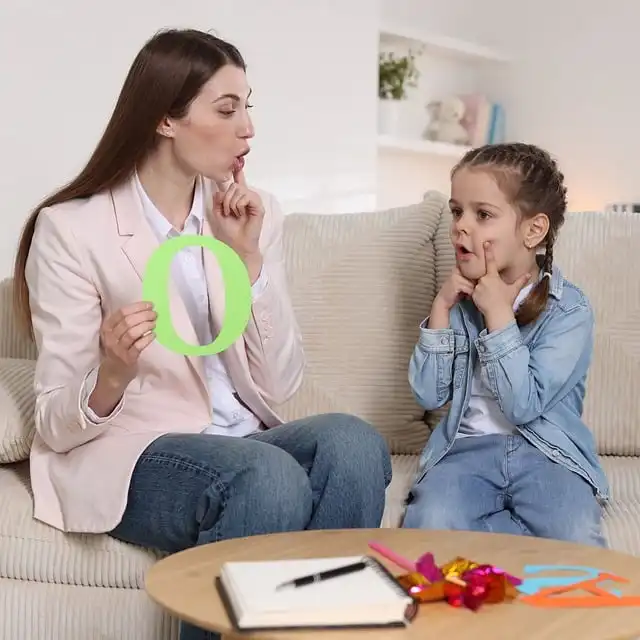
    Autism, Assisted Spelling & the Science Controversy

    Autism, Assisted Spelling & the Science Controversy

    A deep dive into the contentious world of assisted spelling for autism. Advocates like Elizabeth Bonker push for its adoption, while scientific organizations question its validity due to facilitator influence and lack of evidence, leading to a broader debate on autism treatments.


    Gut Microbiome’s Role in Sepsis and Immune Response

    Gut Microbiome’s Role in Sepsis and Immune Response

    Research highlights the gut microbiome's critical role in regulating immune response, particularly in sepsis. Antibiotics negatively impact diversity, increasing sepsis risk. While findings in mice are promising, human trials are needed.


    Brain Signal: Acetylcholine Boosts Behavioral Flexibility & Habit Breaking

    Brain Signal: Acetylcholine Boosts Behavioral Flexibility & Habit Breaking

    New research identifies acetylcholine as a key brain signal for adapting to change and breaking old habits. Studies on mice show disappointment triggers acetylcholine release, promoting new strategies. This finding has implications for understanding addiction and OCD.


    Intermittent Fasting: Gut-Brain-Microbiome Link to Weight Loss Success

    Intermittent Fasting: Gut-Brain-Microbiome Link to Weight Loss Success

    Intermittent energy restriction (IER) changes the gut-brain-microbiome axis, influencing brain activity linked to hunger and food habits. This leads to weight loss and significant metabolic improvements in overweight adults, highlighting a complex biological interaction.


    New Brain Imaging Study Challenges Long COVID Inflammation Theory

    New Brain Imaging Study Challenges Long COVID Inflammation Theory

    A study found no widespread brain inflammation in long COVID patients. Instead, increased activity in mood/emotion areas correlated with severe symptoms, suggesting new treatment approaches.