

Tickle Research: Why Are We Ticklish?
Why are we ticklish? Neuroscience explores the science of tickling, its evolutionary purpose, and why we can't tickle ourselves. New research aims to understand tickling and its link to autism.
Why are we ticklish? Neuroscience explores the science of tickling, its evolutionary purpose, and why we can't tickle ourselves. New research aims to understand tickling and its link to autism.
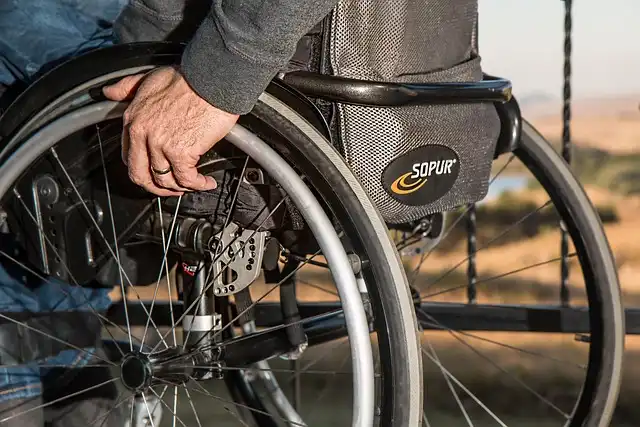
Research reveals infant's birth weight impacts obstetric anal sphincter injuries (OASI). Prediction models can assess risk, improve care, and reduce birth injuries, including for vaginal births.

A new study reveals a link between positive aging perceptions and better physical recovery after falls in older adults, highlighting the role of psychological factors.
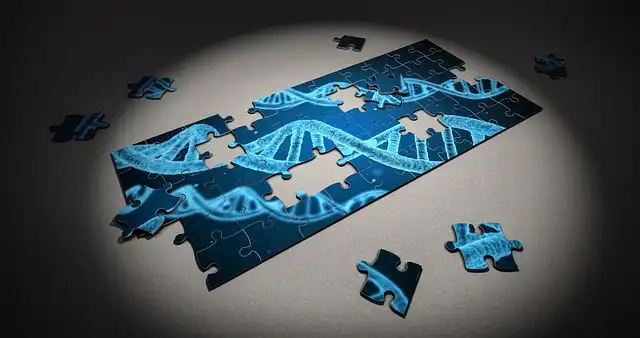
A study using advanced genetic tools, including RNA tests, improves the detection of diarrheal diseases by identifying hidden infections and active genes in stool samples. Revolutionizing diagnosis and treatment.
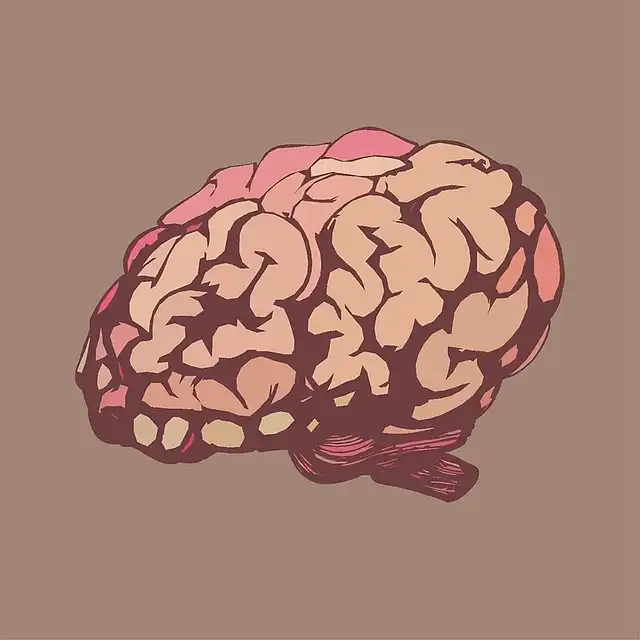
Research reveals tertiary sulci (brain folds) are linked to cognitive function, interconnectivity, and individual differences in reasoning. These tiny grooves could be biomarkers for neurodevelopmental conditions.

Research shows star ratings are often overestimated, while numerical ratings are underestimated, influencing consumer perception and potentially impacting sales significantly. Stars vs numbers!

New research shows mRNA HIV vaccine strategy triggers early immune responses in trials. The targeted vaccine approach represents a crucial step toward developing a protective HIV vaccine, using technology similar to COVID-19 vaccines.
Researchers identified protein markers in inherited frontotemporal dementia (FTD) patients, potentially enabling earlier diagnosis, better treatments, and improved clinical trial enrollment. RNA regulation is key.
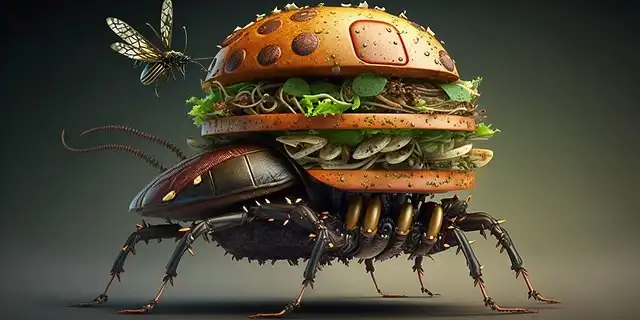
FDA increases its evaluation of food additives like ADA, BHT, and BHA due to health risks. Concerns include bronchial asthma and skin inflammation. Many companies have phased out ADA under market pressure.

MIT research reveals data privacy concerns fluctuate based on context and benefits. A game shows people value health & environmental data use when clear advantages exist, informing better policy.
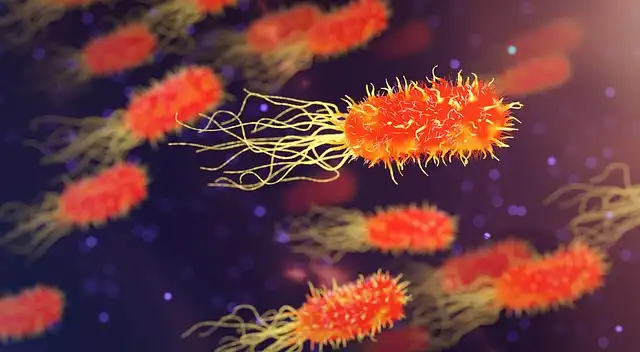
New nanofiber therapy traps toxic amyloid-beta proteins linked to Alzheimer's, ALS, and other neurodegenerative diseases. The unstable nanofibers bind and incorporate the proteins, preventing aggregation and delaying disease progression.

New computer technique enables more precise glioblastoma biopsies using clinical scans, providing deeper insights into tumor biology and treatment responses. Improves tissue analysis for brain cancers.
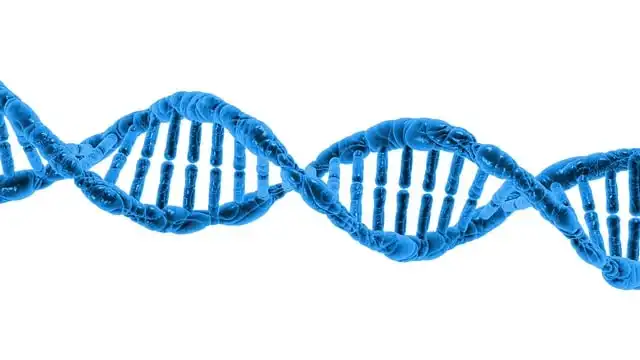
Northwestern University researchers found that DNA strand separation needs more mechanical pressure than previously thought due to the crowded cellular environment and protein interactions. DNA+Cell+Mechanics

Explore how Traditional Chinese Medicine (TCM) complements Western medicine, offering root-cause solutions for hormonal imbalances, menstrual issues, and overall well-being through personalized herbal remedies and a holistic approach.
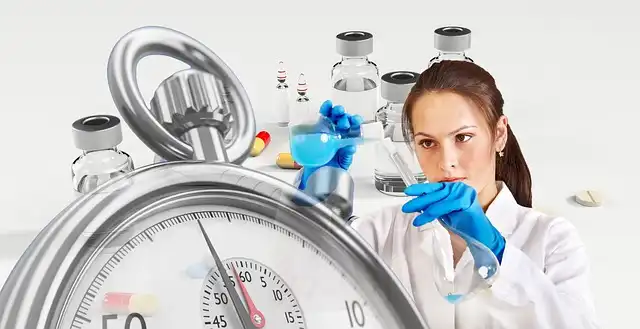
EVE-Vax, an AI tool, accurately designs viral proteins mimicking emerging SARS-CoV-2 variants. This computational approach can forecast immune escape, aiding vaccine and therapeutic development for evolving viruses.

Research shows sleep deprivation increases heart disease risk by affecting biomarkers & inflammation, even in young, healthy individuals. Exercise helps, but can't replace sleep.
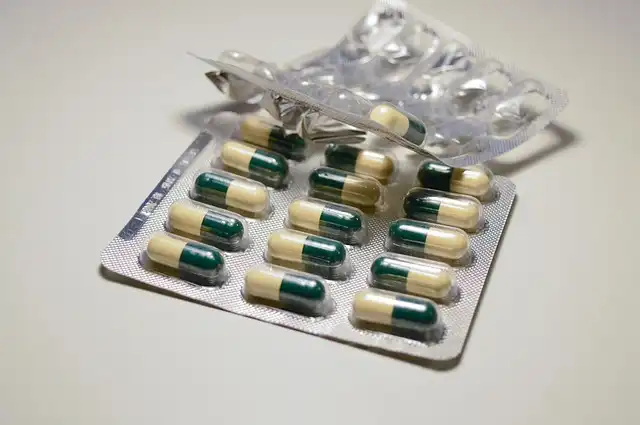
Global rivers face antibiotic pollution, promoting drug resistance and harming aquatic life. A study estimates 8,500 tons of antibiotics pollute rivers annually, even after wastewater treatment.