
Colchicine: Heart Attack & Stroke Prevention?
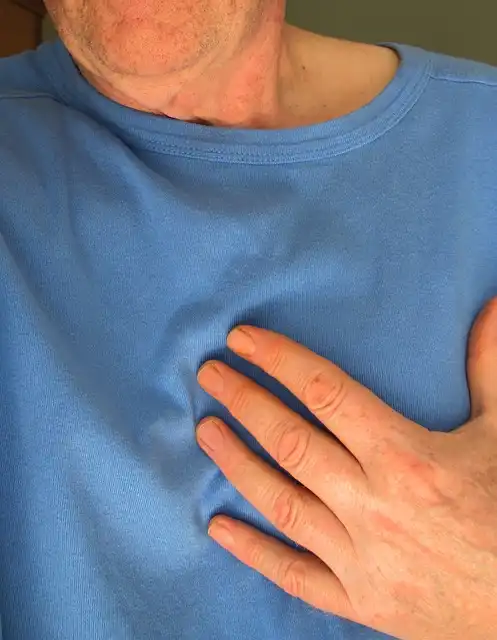
Colchicine, a gout drug, may prevent heart attacks and strokes. Trials show risk reduction with low doses. More research is needed to confirm benefits and address remaining questions.
Colchicine, a gout drug, may prevent heart attacks and strokes. Trials show risk reduction with low doses. More research is needed to confirm benefits and address remaining questions.

COVID vaccine hesitancy persists, especially among Hispanic, Black, and young adults. Misinformation, immigration fears, and access barriers contribute. Boosters & flu shots are recommended to avoid illness.

New research suggests coffee may reduce AFib risk by 39%, challenging prior medical advice. Trial data suggests coffee is not only safe but protective for AFib. Caffeine and anti-inflammatory components are key.

Trump admin. tactics, led by Vought, delay & cut public health funds, impacting HIV programs, outbreak response, maternal health, and research by freezing budgets. Congress needs to act.

Study reveals people mostly use 'I' self-talk. 'You' self-talk slightly boosts mood when prepping for action, but is less common. No links found to narcissism or distress.

Long-term melatonin use (1+ year) for insomnia may increase heart failure risk, hospitalization, and mortality, according to a new study. Experts advise caution and further research is needed on heart effects.

Research links retinal scans, genes, and blood data to predict heart disease risk and biological aging. Simpler retinal vessels indicate higher risk and faster aging. Early detection is key.

Kourtney Kardashian launches Lemme Colostrum, sparking a lawsuit with sister Kim. Colostrum offers gut health and beauty benefits for adults. The product includes gummies and fluid with key nutrients.

New US visa guidance allows officers to disqualify applicants based on age, health, or potential public benefit reliance, raising concerns about bias and expanding health condition considerations.

Vivian Ho reveals hospitals' profit margins exceed insurers'. Transparency in healthcare costs, insurance coverage strategies, and employer awareness are key to savings. KFF collaboration.

Medical shame impacts doctors & patients. Training in "shame skills" can foster healthier interactions, improve healthcare, and break negative cycles of isolation, compound usage and avoidance of treatment.

University of Sydney researchers discovered a brainstem "pain map" enabling precise, non-opioid pain treatments via the brain's cannabinoid system. This offers targeted pain relief, avoiding opioid risks.

Brazilian & German scientists developed a sunflower flour-based meat substitute. High in protein, minerals & healthy fats, offering a sustainable, non-GMO alternative for the plant-based food industry.

FDA restricts fluoride supplements for young children due to limited benefits and emerging safety concerns. Dental experts warn of potential cavity increase. Kennedy aims to end water fluoridation.

New research reveals fitter individuals use fewer heartbeats daily. Regular exercise improves heart efficiency, lowers resting heart rate & may prolong life. Heart health benefits surpass risks.

Life expectancy gains in wealthy nations have slowed since 1939. No generation born after 1939 is expected to reach 100, impacting retirement and healthcare planning.

Research shows that 'gluten sensitivity' may stem from gut-brain interactions and FODMAPs, not gluten. This impacts IBS diagnosis, diet management, and public health messaging.